 Padua City Guide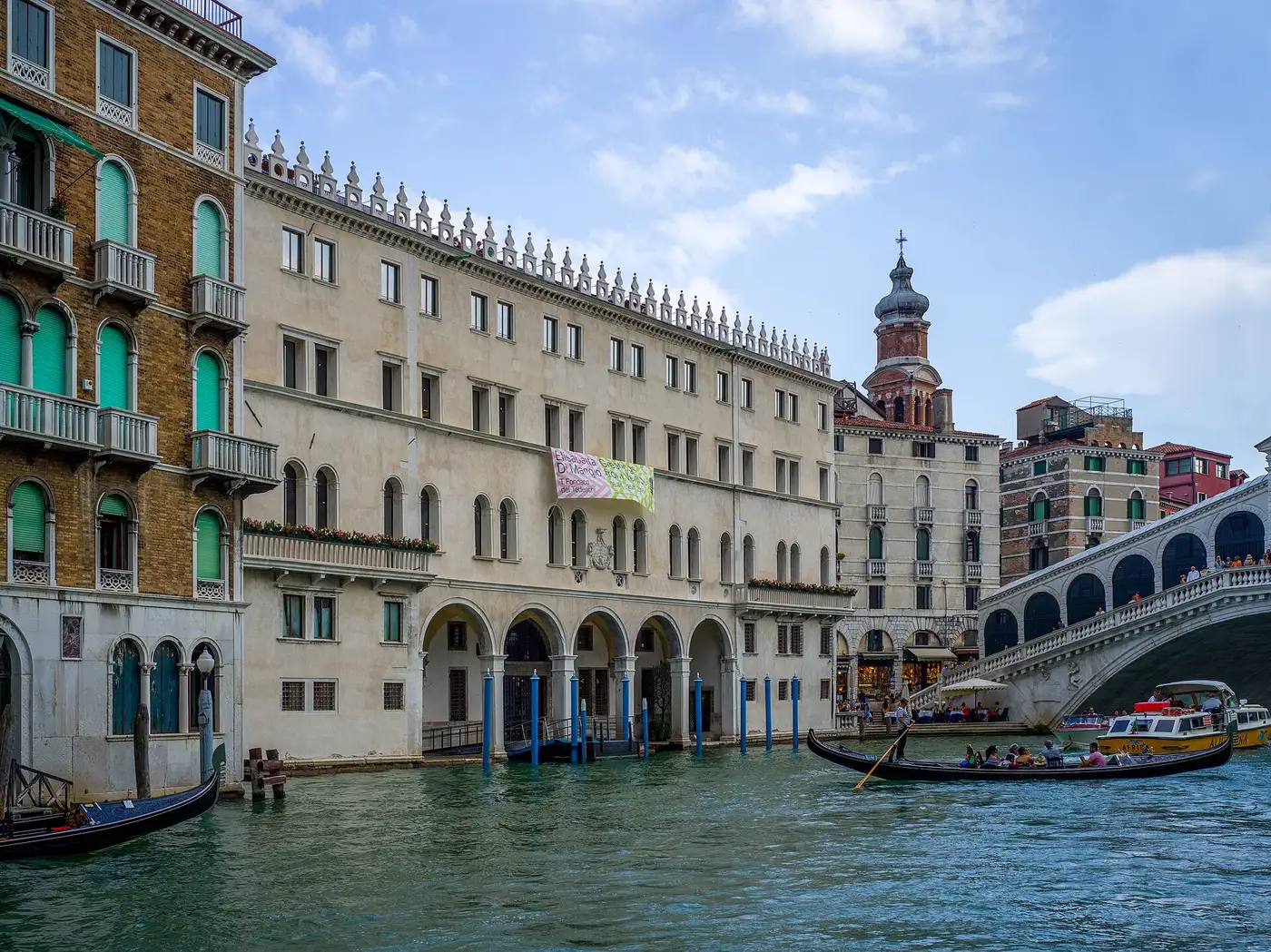
The venice day trip from padua is the shortest big-city run in northern Italy: a regional train covers the 26-30 minutes between Padova Centrale and Venezia S. Lucia roughly every 15-30 minutes, for a fixed fare of about €4-5, with no reservation and no reason to book ahead. That frequency changes the psychology of the day. You are not commuting to a once-a-day event; you are hopping across the lagoon's edge in the time it takes most cities to reach their first museum, which means you can arrive before 10:00, walk the empty northern lanes before the coaches unload, and still be back in Padua for an aperitivo round at a civilised hour. This page covers the train mechanics, a one-day rhythm that beats the crowds, the free-versus-paid triage, the high-water season, and the one guided alternative that is actually worth considering — the Brenta Riviera boat that turns the transfer itself into the sight. For the return leg from the airport rather than the station, see venice airport to padua; for everything the home city offers between trips, the Padua City Guide homepage is the directory.
Quick answer Train times, fares, vaporetto choices and the day's rhythm
Checked on 12 September 2026: regional trains run Padua to Venice in 26-30 minutes, roughly every 15-30 minutes, about €4-5 each way, no reservation — but validate your paper ticket before boarding. Buy an ACTV day ticket (around €25) or walk; St Mark's Basilica is free, the Doge's Palace runs about €30. Arrive before 10:00, leave after 18:00, and the city feels twice as calm. If you would rather arrive by water, the guided Brenta Riviera cruise (tour-9) makes the canal transfer the sight.
Key takeaways
- Train rhythm: departures through the day — the 26-30 minute ride makes an 08:30 start feel unhurried.
- Ticket rule: regional fares are fixed; validate paper tickets in the green machines or pay a fine on the spot.
- Free first: the basilica costs nothing; spend the paid budget on the Doge's Palace and one bell-tower lift.
- Acqua alta: most likely in late autumn; the city's tide centre publishes warnings — pack shoes that can survive a puddle.
- Alternative arrival: the seasonal Brenta boat turns the transfer into the attraction.
Key facts
Opening hours
| Padova → Venezia S. Lucia regional trains (daily) | first trains before 06:00–returns until around 23:00; roughly every 15-30 min through the day |
|---|---|
| Vaporetto Grand Canal lines 1 and 2 | from roughly 05:00–into the late evening, line by line |
Closed Trains run daily all year; individual sights keep their own calendars (the Doge's Palace closes 25 December and 1 January, and St Mark's Basilica restricts tourist entry on Sunday mornings)
Admission
- Adult
- Regional train ~€4-5 one way; vaporetto single ~€9.50, day ticket around €25; Doge's Palace around €30 — confirm on the official site
- Reduced
- ACTV passes carry age-based reductions; the Doge's Palace and civic museums keep their own reduced categories
- Free
- St Mark's Basilica entry is free (museums and Pala d'Oro paid); the whole walking city, the Rialto bridge and the canal banks cost nothing
Planning it
- Time needed
- 12-14 hours door to door
- Book ahead
- Recommended — a few days
- Address
- Venezia S. Lucia station / Piazzale Roma arrival side, 30100 Venezia
The train: Padova Centrale to Venezia S. Lucia
Start at Padova Centrale with time to buy and stamp a ticket. The regional fare is fixed — about €4-5 one way — so there is no advance-purchase game to play: the price on the board at 08:00 equals the price at 18:00. Machines and desks sit in the main hall, and the Trenitalia app sells the same fare while showing platform numbers. Buy, then stamp the paper ticket in the green validation machines before you reach the platform; unvalidated tickets are fined on the spot, and inspectors walk the Venice trains all day.
The ride itself is 26-30 minutes, most of it across the mainland causeway with the lagoon appearing on the left near the end. Trains run roughly every 15-30 minutes through the day, so a missed connection costs you half a coffee, and the service stretches from before 06:00 to returns around 23:00. Venezia S. Lucia drops you directly onto the Grand Canal's northern bend: the Ferrovia vaporetto stop is steps from the platform, and the pedestrian grid begins at the station door. Check the validity window printed on your return ticket, and keep the app open for the evening — Italian rail networks publish strike windows well in advance, and a ten-second glance the night before saves a stranded morning.
- Fixed fare, about €4-5 each way; machines, desks and the Trenitalia app all sell it.
- Validate paper tickets before boarding — the single most-fined mistake on this line.
- 26-30 minutes in transit, roughly every 15-30 minutes, first trains before 06:00 and returns to around 23:00.
- S. Lucia lands you on the Grand Canal: the Ferrovia vaporetto stop and the walking lanes start at the platform.
- Check for scheduled strike windows the evening before — they are announced days ahead.
A one-day rhythm: arrive before 10:00, leave after 18:00
Venice does not need a longer day; it needs an earlier one. The coach groups and cruise waves land between 10:00 and 17:00, which means the city belongs to the early train and the late train. Step off at S. Lucia before 10:00 and the Strada Nova — the straight shot from the station toward the Rialto — is still locals' errand territory: bakers, news-stands and uniformed schoolchildren rather than tour groups. By 10:30 you should be crossing the Rialto bridge, when the morning light is on the Grand Canal and the pawn-shop-shaped crowd has not yet arrived. Save the vaporetto decision for after: the Grand Canal ride down to San Marco on line 1 is the best €9.50 in the city, but on a good day the walk is faster and free.
The afternoon split is the triage below. Whatever you skip, be on the Riva degli Schiavoni or in the back lanes of Castello by 17:00, when the first coaches leave and the day-tripper tide visibly recedes. The 18:00-19:00 window — spritz on a canal bank, the campanile's shadow crossing the basin — is the hour day visitors usually never see, and it is why we recommend a return train after 18:00 rather than the 16:00 rush. The full walking order, with timings, runs below.
Morning: the free circuit on foot
From S. Lucia, take Strada Nova through Cannaregio to the Rialto bridge (about 20-25 minutes unhurried), cross it, and drop through the fish market alleys toward the canal bank. Continue along the Grand Canal to Campo San Polo and on into San Marco's back lanes, reaching Piazza San Marco from the north — the arrival the architect intended, tower first. The whole circuit costs nothing and fills the best three hours of the day.
The paid-sight triage
One big interior beats three rushed ones. Use this order of merit and stop when the budget or the legs run out:
| Sight | Entry | Time | Verdict |
|---|---|---|---|
| St Mark's Basilica | Free (museums and Pala d'Oro paid) | 45 min | The default — go at opening or after 16:00 to shorten the queue |
| Doge's Palace | Around €30 — confirm on the official site | 1.5-2 hours | The paid spend if you make only one; book a slot in season |
| St Mark's Campanile lift | Paid | 30-45 min | The view justifies the queue only on clear days |
| Gallerie dell'Accademia | Paid | 1.5 hours | For painting lovers; pairs with the Accademia bridge view |
| Traghetto crossing | A couple of euros | 5 min | The cheap gondola stand-in across the Grand Canal |
Evening: when the day trippers drain away
From about 17:30 the Riva degli Schiavoni empties of its queue barriers and the piazza's acoustics revert to pigeons and cafe orchestras. Walk the basin as far as the Arsenale, cut back through Castello's lanes, and ride line 1 up the Grand Canal at dusk if the budget allows — the palazzi are lit one by one. A 19:00-ish train back puts you in Padua before 20:00 with the evening still ahead of you.
Acqua alta, seasons and crowd psychology
Acqua alta — the tidal flooding that pushes lagoon water into the lowest squares — is a late-autumn phenomenon above all, with November the classic month and the Sirens sounding ahead of the highest tides. It is not a reason to cancel: the city raises wooden walkways across the flooded stretches, most of the day's route stays dry, and the spectacle itself is part of the lagoon's character. The official tide centre at comune.venezia.it publishes forecasts and warning levels, and the practical response is footwear, not fear. In summer, the flood risk is negligible but the midday heat in the open squares is real — that is the season for the morning circuit and an evening return.
Crowds here follow the transport schedule, not the attractions. The peaks track coach arrivals, cruise tenders and the day-tripper trains from the mainland, which is why the same piazza can feel abandoned at 09:00 and impassable at 13:00. The counter-moves are spatial and temporal: go north (Cannaregio) when San Marco is thick, go east (Castello) when the Riva is packed, and shift your big interior to the 16:00-18:00 window when the groups turn around. St Mark's Basilica's free entry is best taken at the 09:30 opening or after 16:00; the Doge's Palace absorbs crowds better than anywhere else in the city, which is another argument for making it your one paid spend. If the whole calculus of a short trip is still open — lagoon or arena — the honest comparison sits in venice or verona.
- Check the tide forecast on the morning of a late-autumn trip.
- Book the Doge's Palace slot for the early afternoon in high season.
- Keep a vaporetto day ticket as the rain plan: line 1 down the Grand Canal stays the sight when the lanes flood.
- Set a hard 18:00 turn-around so the evening train stays relaxed.
Four ways to Venice: train, bus, car and the Brenta boat
The train and boat figures come from Trenitalia's regional timetable and the guided cruise's own card, checked on 12 September 2026; bus and car rows reflect the general shape of the options rather than a scheduled service, so treat them as approximations.
| Mode | Time | Cost | Stress | Best for |
|---|---|---|---|---|
| Regional train | 26-30 min each way | ~€4-5 each way, fixed fare | Low — frequent, no reservation | Almost everyone; the default |
| Bus (FS Busitalia and similar) | around 45-60 min to Piazzale Roma, traffic permitting | somewhat above the train fare | Low, but slower and subject to road congestion | When rail services are disrupted |
| Car | roughly 30-40 min to Tronchetto or Piazzale Roma plus the lagoon transfer | fuel plus garage parking at lagoon prices | High — approach roads, parking queues, then vaporetto anyway | Not recommended for a day trip |
| Brenta Riviera boat (guided, tour-9) | full day, sailing the Brenta canal to the lagoon | guided price — see the tour card | None — someone else steers | Slow-travel fans; villa visits; arriving in Venice by water |
Official sources first: the ACTV water-bus system, the Doge's Palace and St Mark's Basilica as published by their own operators, plus the city's tide service, checked on 12 September 2026. The tour row is the one guided option that genuinely runs from Padua toward the lagoon.
Walk the city free, pay for one big interior, and keep the vaporetto budget for the Grand Canal ride.
| Ticket or option | Where | Price | Action | Book |
|---|---|---|---|---|
| ACTV vaporetto passesEveryone moving beyond walking range | Ferrovia and Piazzale Roma landing stages, or online | Single ~€9.50; day ticket around €25 | ACTV fares and city info | Official site |
| Doge's Palace (Palazzo Ducale)The one paid interior | Entrance on the Molo, by Ponte della Paglia | Around €30 — confirm on the official site | Official box office | Official site |
| St Mark's BasilicaEveryone; free entry | Piazza San Marco, west door | Entry free; museums and Pala d'Oro paid | Official basilica site | Official site |
| Acqua alta tide centreLate-autumn planners | Online forecasts and siren-level explanations | Free information | City tide service | Official site |
| Padua to Venice Boat Cruise of the Brenta RivieraSlow-travel fans sailing in season | Full day from Padua; Villa Pisani, Widmann and Foscari stops en route | See tour card | Check Availability | Check Availability |
The Grand Canal from the Accademia bridge: line 1 runs this whole stretch, and the walk along it is free.
Venice for day trippers: the pins that matter
A day here needs only seven points: the arrival stations, the vaporetto landing stages and the three sights that anchor the walking circuit. Everything else is lanes between them.
Guided departures from Padua toward the lagoon
Beyond the train, two catalogue options touch the Venice story: the Brenta boat that sails into the lagoon with villa stops, and the prosecco day that makes an odd but pleasant pairing with a city evening. No walking tours of Venice itself are sold from Padua — the city needs a guide less than it needs an early train. Cards and live prices sit in padua tours:
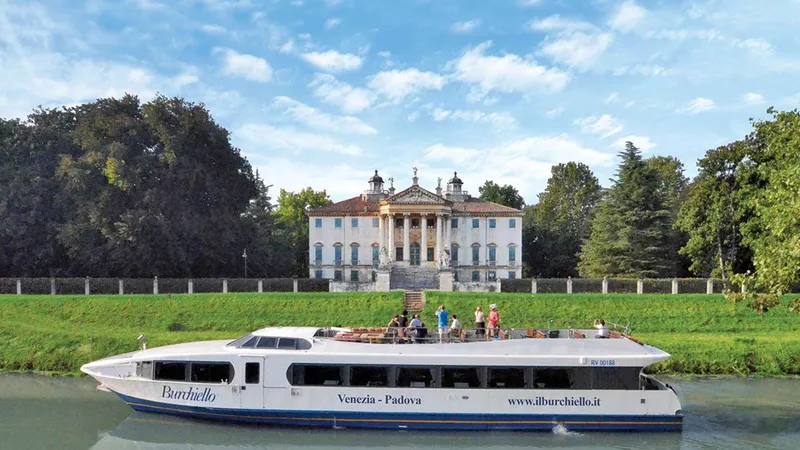 from $170.55
Padua to Venice Boat Cruise of the Brenta Riviera
The slow arrival: fifty villas, five locks, Venice by water
Check Availability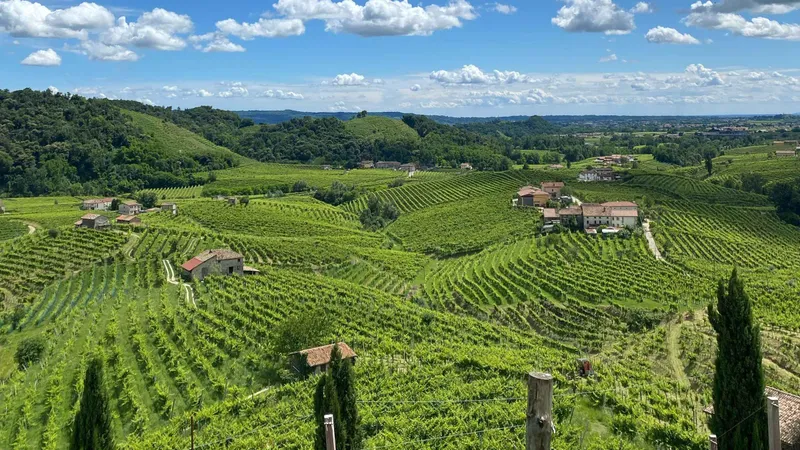 from $208.84
Panoramic Prosecco Tasting Tour From Padua
The DOCG hills day: osteria tasting, cellar tasting, the mill stop
Check AvailabilityPrices, ratings and details are the platform's own, checked in Q3 2026; dollar figures are the listed prices — the platform bills in your account's currency.
Frequently asked questions about the Venice day trip
Do I need to book the Padua-Venice train in advance?
No. The regional service uses a fixed fare — about €4-5 each way — with open seating and departures roughly every 15-30 minutes. Buy at the machine or in the app, validate any paper ticket, and board. Advance booking only matters on the premium Frecciarossa and Italo services, which are unnecessary for a 26-30 minute hop.
Which vaporetto ticket is worth it for one day?
If you plan two or more rides — the classic pattern being line 1 down the Grand Canal and the return up the Giudecca channel — the day ticket at around €25 wins over singles at about €9.50. If you will only ride once, pay the single fare and walk the rest; the city's lanes are the faster cross-town option.
Is St Mark's Basilica really free to enter?
Yes — the basilica's entry is free; the paid layers are the Museum, the Loggia dei Cavalli terrace and the Pala d'Oro altarpiece. Dress rules apply (covered shoulders and knees) and tourist entry is restricted during services, including Sunday mornings, so time your visit for the 09:30 opening or the late afternoon.
When is acqua alta likely, and does it ruin the day?
High water is most likely in late autumn, with November the classic month. The city sounds sirens ahead of the highest tides, raises walkways across the low stretches and posts forecasts on the official tide centre. Most of a day's route stays dry; the practical response is waterproof footwear and a vaporetto day ticket as the fallback.
How late can I stay before the train back?
Regional returns run to around 23:00, but the sweet spot is a 19:00-ish train: you get the 18:00-19:00 window when the coach groups have gone, and you are still in Padua before 20:00. Check the evening timetable on the day — last departures shift with the season.
Is the Brenta boat a real alternative to the train?
It is a different product, not a substitute: the guided cruise (tour-9) takes the full day sailing the Brenta canal from Padua toward the lagoon, with stops at Villa Pisani, Villa Widmann and Villa Foscari, arriving in Venice by water. Choose it for the journey itself in the warmer months; choose the train when you want maximum hours in the city.
Is Padua a sensible base for seeing the lagoon city?
On price, calm and train time, it is one of the best bases in the Veneto: the rail run is shorter than from many mainland districts of Venice itself, hotel rates are lower, and the evenings belong to a real city rather than a day-tripper strip. The full argument, costs included, is in padua or venice.
What to pair with the Venice run
The same rail map offers three natural companions to a lagoon day, plus the arrival logistics most visitors need first:
Verona
The arena city 70-90 minutes west — the other great rail day from the same station.
Colli Euganei
The volcanic wine and spa hills 15 minutes south — the quiet counterweight to a lagoon day.
Getting around Padua
Station mechanics, the tram, tickets and validation rules on the home side.
Venice airport to Padua
Landing at Marco Polo first? The transfer options into Padua, compared.
Reviewed Q3 2026 (July–September 2026); next review Q4 2026. Prices, hours and terms are set by the venue or operator and confirmed at checkout.
We may earn a commission if you book through one of our links, at no extra cost to you. Full affiliate disclosure