 Padua City Guide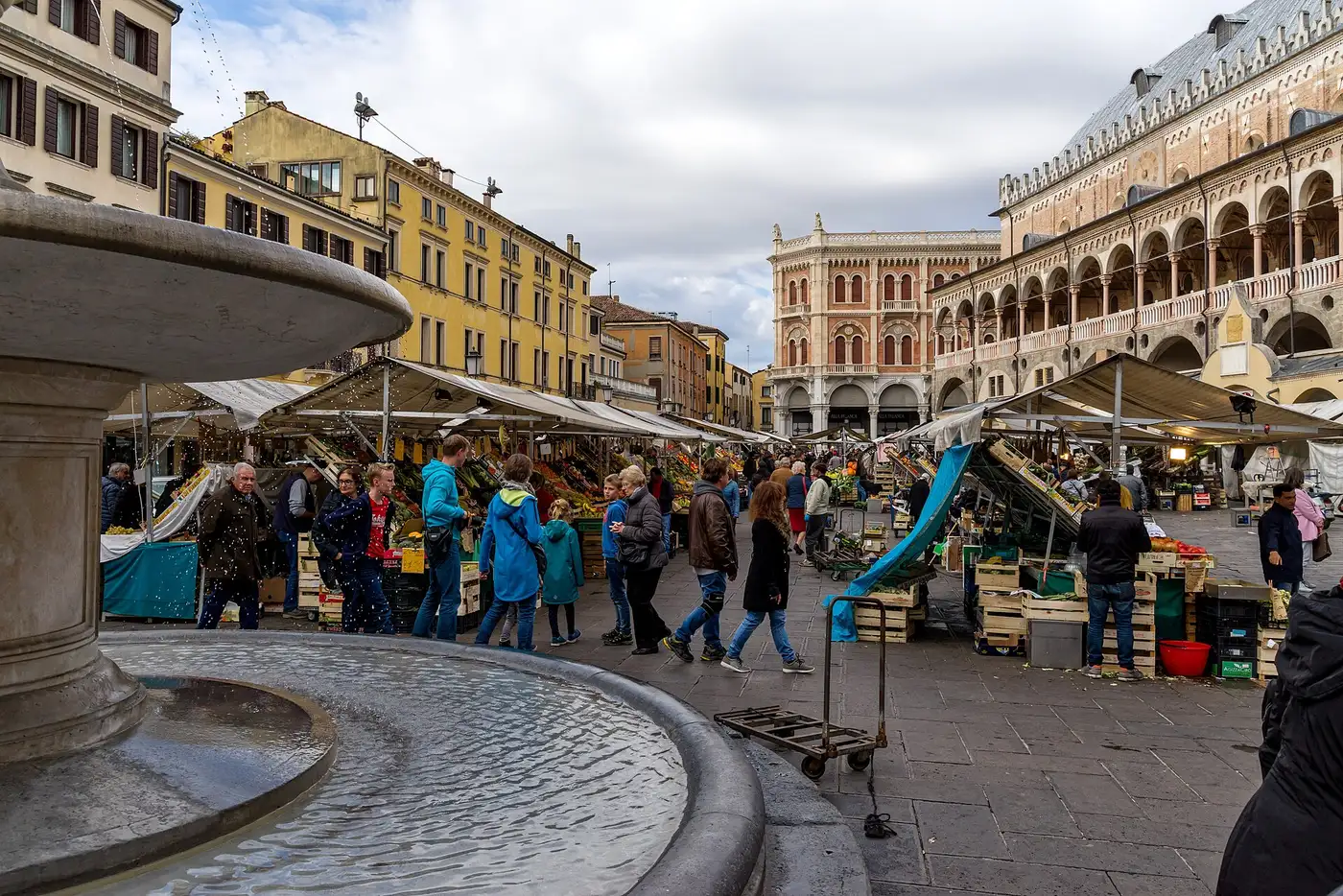
Padua cooks from the plain around it: rice from the irrigated fields, vegetables from the market gardens, salt cod and sardines from the lagoon trade, and a string of Austro-Hungarian habits left by two centuries of Habsburg proximity. This page is a working dictionary of traditional paduan food — the plates that identify a Paduan kitchen (bigoli col foin, risotto with bruscandoli, baccalà mantecato, goulash alla padovana), the seasonal calendar that decides when they appear, and the stories attached to them, from the bigolaro press to the Carnevale fritterie. It pairs with the dining plan in where to eat and the counter ritual in cichetti and bacari; the rest of the city directory sits on the Padua City Guide homepage.
Quick answer The defining plates, their prices and their seasons
Checked on 12 September 2026: the plates that define traditional Paduan food are bigoli col foin (thick pasta with an onion-and-sardine sauce), risotto with bruscandoli in spring, baccalà mantecato, pasta e fagioli, risi e bisi, goulash alla padovana and fritelle at Carnevale. They cost trattoria prices — primi €8.00-13.00, secondi €12.00-20.00, coperto €1.50-3.00 — and they follow a calendar: hop shoots and peas in spring, vegetables and sarde in summer, mushrooms and roasts in autumn, salt cod and Carnevale fritters in winter. The plates appear on the osterie boards around Piazza delle Erbe and in the residential trattorie past Prato della Valle; the eating plan is in where to eat.
Key takeaways
- Bigoli col foin is the identifying plate: onion-and-sardine sauce over thick whole-wheat strands.
- Spring belongs to bruscandoli (wild hop shoots) and new peas — risotto ai bruscandoli and risi e bisi.
- Goulash alla padovana is the Austro-Hungarian inheritance, served over polenta.
- Fritelle and galani are Carnevale-only: late January through February.
- Tiramisù is Veneto with contested claims — the Treviso documentation is the strongest.
Key facts
Opening hours
| Trattoria lunch service | 12:30–14:30 |
|---|---|
| Trattoria dinner service | 19:00–21:30 |
| Market stalls (weekdays) | 07:30–13:00 |
Closed Sundays close many family kitchens and August ferie thins the field further — book around both
Admission
- Adult
- Primi €8.00-13.00, secondi €12.00-20.00, coperto €1.50-3.00; an assembled market lunch €5.00-10.00
- Reduced
- Half portions on request at many trattorie
- Free
- Browsing the market and reading the boards costs nothing
Planning it
- Time needed
- Half a day of eating
- Book ahead
- Optional — walk-up usually fine
- Address
- Piazza delle Erbe, 35121 Padova
Bigoli and the bigolaro press
Bigoli are the Paduan pasta: thick, rough, whole-wheat strands, extruded rather than rolled. The tool that defines them is the bigolaro — a hand-cranked press, patented in Padua in the early seventeenth century, that forces the dense dough through a bronze die into long strands. Pasta houses across the city kept bigolari into living memory, and osterie that take the dish seriously still extrude their own.
The classic dressing is col foin — with hay — a name for the colour the sauce takes when onions are cooked down slowly with sardines until they collapse. Onion, sardine, a little oil, nothing else: a Lenten plate that became the year-round identity dish. Expect it at every honest osteria, €8.00-13.00 a plate.
Feast-day cooking framed the whole repertoire. Old Paduan menus rotated around roasts — torresani (pigeon) once sat at the centre of the festive table — while the daily plates stayed humble: beans, rice, polenta, preserved fish. That split between feast and everyday is still visible in how the trattorie price their cards.
Rice, bruscandoli and the plain-rice culture
The irrigated plain west and south of Padua is rice country, and the city's kitchens treat risotto as a first course, not a garnish. Two versions carry the calendar. In spring — roughly late March to May — bruscandoli appear: wild hop shoots, cut young, sold in bundles at the market and turned into risotto ai bruscandoli within a day. The window is short and the dish vanishes with it.
The other spring plate is risi e bisi, the Veneto's rice-and-new-pea dish — a risotto loose enough to eat with a spoon, cooked with the young pods as well as the peas. It is a spring classic across the Veneto and a fixture on Paduan cards while the new peas last.
The rest of the year, the plain-rice culture holds: risotto with pumpkin in autumn, with radicchio in winter, with mushrooms when the hills deliver. The point of the tradition is restraint — rice, the vegetable in season, butter and grated cheese — which is also why vegetarian readers eat well in Padua by Italian standards.
Baccalà mantecato and pasta e fagioli
Baccalà mantecato — whipped salt cod — is the Veneto's signature plate and Padua's counter standard: salt cod (locals argue it should properly be stoccafisso, stockfish) poached and beaten with olive oil until it holds as a cream, served on polenta or grilled bread. It is the plate that judges a bacaro and the staple that made preserved fish a Paduan daily food.
Pasta e fagioli is its winter partner: borlotti beans cooked to collapse, short pasta, olive oil, sometimes pancetta, always more peasant than poetry. Trattorie serve it October through March; versions differ by family, and the pancetta question is the vegetarian's first question.
Both plates explain the Paduan kitchen's logic: preserve, whip, stretch. Salt cod and dried beans keep; oil and patience make them rich. Nothing on the classic list is expensive to make, which is why the honest versions stay cheap on the cards — primi from €8.00. The counter versions are covered in cichetti and bacari.
Goulash alla padovana and the Austro-Hungarian kitchen
Goulash alla padovana is the clearest trace of the Austro-Hungarian years: beef stewed long with onions and sweet paprika until the sauce goes dark, served over polenta rather than the Central European dumpling. The route it arrived by — Habsburg administration, garrisons, the rail link north — matters less than how completely Padua absorbed it: the dish is now municipal identity, argued over by families who each hold that theirs is the correct recipe.
The same history left a second habit. Padua is one of the few Italian cities with a historic horse-meat butchery tradition — a fact of the old trade rather than a tourist pitch. A few traditional butchers and kitchens in the centre keep it, usually as a raw carpaccio or a slow stew; it appears on very few cards and no visitor needs to seek it out, but the explanation, when you meet it, is the same corridor that brought the goulash.
Order the goulash where the polenta is made fresh: the pairing is the point, starch against the dark sauce.
Fritelle, galani and the Carnevale calendar
Carnevale owns the sweets calendar. From late January until Ash Wednesday, the fritterie and pasticcerie fill with fritelle: fried dough, raisin-filled, sometimes custard or apple, dusted in sugar. The classic version is the raisin one, and the queue at the best pastry counters is a February sport. Alongside them sit galani (also called crostoli): ribbon fritters, thin, crisp and dusted, made to be eaten by the bag.
The rule to plan around is the calendar itself. Out of season the fritelle largely disappear — a few pasticcerie keep them going, but the honest versions are a Carnevale product. If your trip falls in February, the market squares and the pastry windows are the destination; if it does not, the substitute is the year-round torta and almond pastries from the same counters. Timing the trip around festivals is covered in best time to visit.
Nothing on this page lives at a dedicated sight — there is no ticket anywhere in the Paduan kitchen, only posted menus and a market that costs nothing to walk.
Tiramisù and the Veneto's competing claims
Tiramisù is a Veneto dessert with a disputed birthplace. The strongest documented claims sit in Treviso, where restaurants put the layered espresso-and-mascarpone dish on their cards in the 1960s and 1970s; several other Veneto towns dispute the detail, and the argument has run for decades without a referee. Padua's position in the story is practical rather than archival: the dessert is on every list here, and the local versions range from faithful to rebuilt.
What to do with that as a visitor is simple. Order it where the kitchen makes it daily — the good trattorie and the historic pasticcerie — and treat any 'original recipe' claim on a menu as marketing. The espresso, the mascarpone and the cocoa have to be three separate experiences on the spoon; when they are, the argument about Treviso can wait until dinner ends.
For the bottle that closes a Paduan dinner, ask for Moscato fior d'arancio from the Euganean hills — the sweet sparkling version carries the Fior d'Arancio Colli Euganei DOCG — covered along with the hills themselves in Colli Euganei.
The Paduan eating calendar
Seasonality governs the classics: the calendar below compiles the seasonal availability described by Veneto food guides and by the market stalls themselves, checked on 12 September 2026. Order with the season and the kitchen is on your side; order against it and you are eating the freezer.
| Season | What peaks | Plates to order | Where you meet it |
|---|---|---|---|
| March-May (spring) | Bruscandoli (wild hop shoots), new peas | Risotto ai bruscandoli; risi e bisi | Osterie boards and the market stalls |
| June-August (summer) | Garden vegetables, sarde, light frying | Sarde in saor, fried vegetables, bigoli col foin | Bacari counters and trattorie terraces |
| September-November (autumn) | Mushrooms, game, roast feasts | Mushroom risotto, roasts with peverada sauce, pumpkin risotto | Residential trattorie and feast menus |
| December-February (winter) | Salt cod, beans, Carnevale frying | Baccalà mantecato, pasta e fagioli, fritelle and galani | Trattorie and the Carnevale fritterie |
Nothing in the Paduan kitchen is ticketed; the table separates the free market half from the seated kitchens, with the catalogue's guided formats underneath. Hours come from the city tourism portal and posted menus, checked on 12 September 2026.
Do the market in the morning, the trattoria at 12:30 or 19:00, and a guided walk when the boards feel opaque.
| Option | Hours | Typical spend | Booking | Book |
|---|---|---|---|---|
| Market stalls, Piazza delle Erbe and della FruttaEveryone | Weekdays about 07:30-13:00 | €5.00-10.00 market lunch | City tourism portal | Official site |
| Trattorie and osterieEveryone | Lunch 12:30-14:30, dinner from 19:00 | No ticket — menus posted at the door | Walk in or phone | Check Availability |
| Fritterie at CarnevaleFebruary visitors | Late January to Ash Wednesday | No ticket — fritelle by the bag | Walk in | Check Availability |
| Food and Culture Walking Tour with Tastings (private)Culture-first visitors | About 2 hours | See tour card | Check Availability | Check Availability |
| Market to Osteria Food TourMarket-morning visitors | About 3 hours | See tour card | Check Availability | Check Availability |
The weekday market on Piazza delle Erbe — the pantry every Paduan kitchen shops.
Where the classics live on the map
The dish geography is compact: the market squares supply the ingredients, the lanes behind them cook the small-plate versions, and the residential edges hold the family trattorie. The pins cover all three layers.
Guided tastings that cover the classics
Two catalogue formats cover the material on this page: the private Food and Culture Walking Tour with Tastings — about 2 hours, rated 5.0 from 32 reviews when checked — and the three-hour Market to Osteria Food Tour, which starts exactly where this page does, at the market counters. Live prices sit on each tour card.
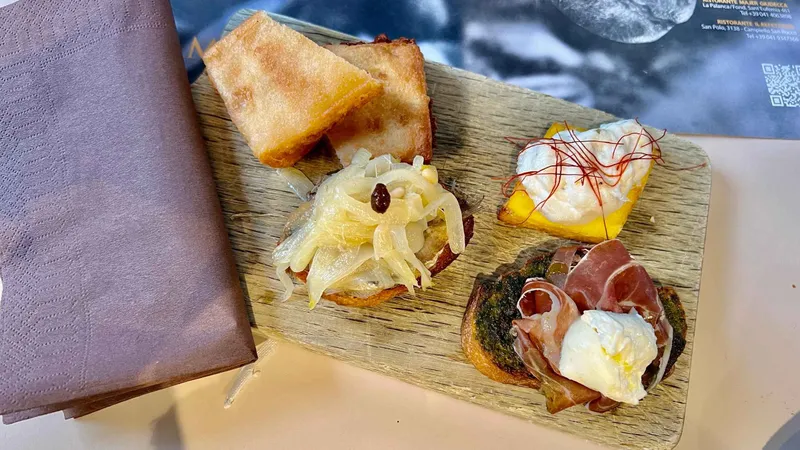 from $290.05
Padua: Food and Culture Walking Tour with Tastings
The private, appetite-first version of the food tour
Check Availability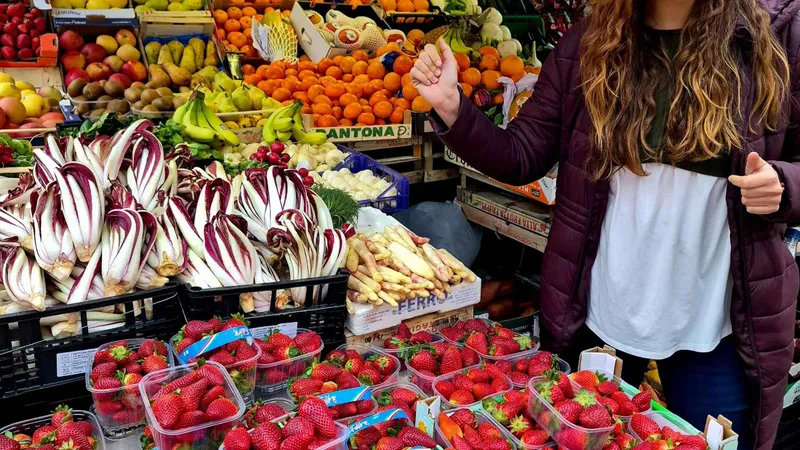 from $68.05
Padova Market to Osteria Food Tour: 10+ tasters & Wine
Dinner-replacement crawl with a spritz finish
Check AvailabilityPrices, ratings and details are the platform's own, checked in Q3 2026; dollar figures are the listed prices — the platform bills in your account's currency.
Frequently asked questions about traditional Paduan food
What is traditional paduan food?
The plain's cooking: bigoli col foin, risotto with bruscandoli or pumpkin, baccalà mantecato, pasta e fagioli, risi e bisi in spring, goulash alla padovana from the Habsburg years, and fritelle at Carnevale. Rice, polenta and preserved fish carry the tradition.
Is Paduan cooking the same as Venetian?
Related but distinct. Venice leans on the lagoon and the sea; Padua cooks from the plain — rice fields, market gardens and the Austro-Hungarian corridor. The counter tradition (cichetti, baccalà) is shared; the bigoli and the goulash are Padua's own.
When is bruscandoli in season?
Spring — roughly late March to May — and only then. The wild hop shoots are sold in bundles at the market and cooked the same day. Miss the window and the risotto disappears with them; best time to visit lines up the seasons.
Where does tiramisù come from?
The Veneto, with the strongest documented claims in Treviso and rival claims from other towns. Padua's versions are daily-kitchen desserts rather than archival reproductions — order it where it is made fresh.
What is bigoli col foin?
The Paduan pasta plate: thick whole-wheat bigoli extruded through a bigolaro press, dressed with onions cooked down with sardines until the sauce turns hay-coloured — foin means hay.
Is there a vegetarian side to the tradition?
Yes: risotti in whatever vegetable the season offers, pasta e fagioli (ask about pancetta), polenta dishes and the counters' vegetable plates. The rice-and-vegetable culture makes Padua an easy vegetarian city by Italian standards.
What do I order at Carnevale?
Fritelle — raisin-filled fried dough — and galani, the ribbon fritters, from late January to Ash Wednesday. The pasticcerie around the squares do the honest versions; out of season, few keep them.
Where to taste the classics nearby
The dishes on this page connect to four other pages:
Where to Eat in Padua
The zone-by-zone dining plan with budgets and the eating clock.
Cichetti and bacari
The counter ritual that carries baccalà mantecato and sarde in saor.
Food tours
Guided market-to-osteria and culture formats, compared.
Colli Euganei
The Euganean Hills: Colli Euganei DOC wines and the Fior d'Arancio DOCG Moscato.
Padua costs
What a day of eating costs against the city's other daily budgets.
Reviewed Q3 2026 (July–September 2026); next review Q4 2026. Prices, hours and terms are set by the venue or operator and confirmed at checkout.
We may earn a commission if you book through one of our links, at no extra cost to you. Full affiliate disclosure