 Padua City Guide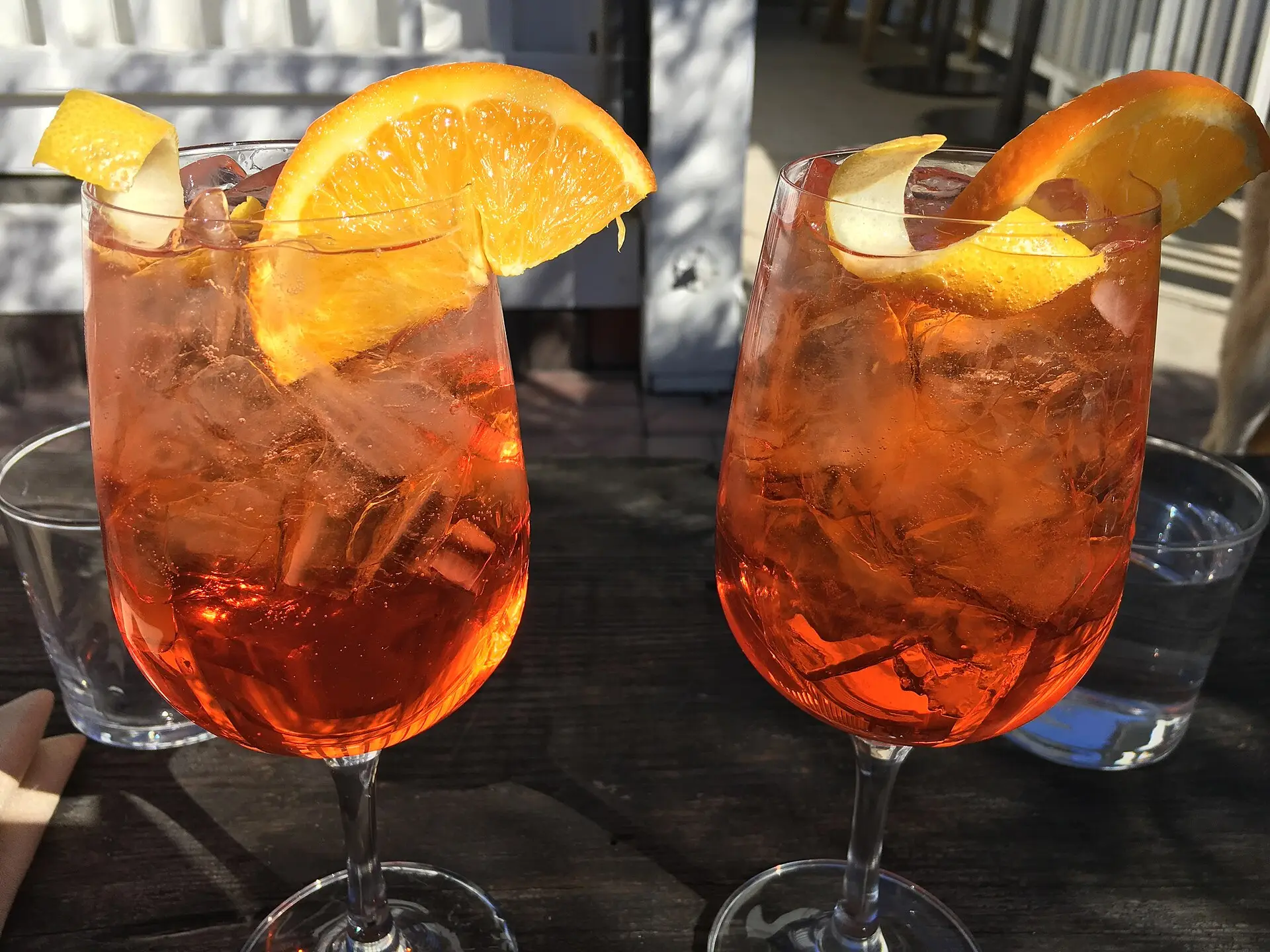
The phrase cichetti padua describes a habit rather than an address: small plates — baccalà mantecato on polenta, fried polpette, sarde in saor — eaten standing at a bacaro counter with a small glass beside them. The institution is Venetian in origin, but Padua runs it at Veneto prices, a minute's walk from the market squares and without a canal-side seat premium. This page is the counter-crawl guide: what cichetti are and what they cost (€1.50-4.00 a plate), the ordering grammar that separates al banco from al tavolo, what a spritz is and what the ombra means, and a budgeted one-hour route around Piazza delle Erbe, Via dell'Arco and the lanes behind. Pair it with the zone-by-zone plan in where to eat and the dish dictionary in traditional Paduan food. The rest of the city directory sits on the Padua City Guide homepage.
Quick answer What cichetti cost, how to order and where the strip runs
Checked on 12 September 2026: cichetti are the Veneto's small plates, €1.50-4.00 each — baccalà mantecato, polpette, sarde in saor, folpetti — eaten standing at a bacaro counter. Order al banco (at the counter, the cheap default), one plate and one glass at a time; the working window is roughly 18:00-22:00. A spritz or an ombra (a small glass of wine) runs €2.00-4.00, so a two-bacaro crawl costs €15.00-25.00 a head. The densest strip wraps Piazza delle Erbe and the lanes behind it — Via dell'Arco, Via Soncin. Guided versions are compared on food tours; the seated alternative in where to eat.
Key takeaways
- Al banco means at the counter: standing prices, no service charge — the default mode.
- One plate, one glass, pay, move on: the crawl works in small orders.
- Baccalà mantecato is the test plate — bad baccalà, bad bacaro.
- The ombra is a small glass of wine, the original companion to cichetti.
- Window: counters fill from 18:00 and empty by 22:00; the first wave catches the fullest display.
Key facts
Opening hours
| Bacari aperitivo window (typical) | 18:00–22:00 |
|---|---|
| Market stalls on the squares (weekdays) | 07:30–13:00 |
Closed Many counters shut on Sundays and several close one weekday; individual bacari keep irregular schedules — walk the strip and read the boards
Admission
- Adult
- Cichetti €1.50-4.00 a plate; a spritz or ombra €2.00-4.00; a two-bacaro crawl €15.00-25.00 a head
- Reduced
- No tickets or reductions — spend is simply what you order
- Free
- Walking the strip, reading the boards and browsing the market cost nothing
Planning it
- Time needed
- 1.5 to 2 hours
- Book ahead
- Optional — walk-up usually fine
- Address
- Piazza delle Erbe and the lanes behind, 35121 Padova
Nothing on the strip is ticketed — the market stalls and the bacari take walk-up orders, so the only rows below with a fixed price are the guided walks. Market hours and counter rules come via the city tourism portal and were checked on 12 September 2026.
Walk in and order at the counter; buy a guided walk only if you want the ordering and translating done for you.
| Stop or option | Hours | Typical spend | Booking | Book |
|---|---|---|---|---|
| Market stalls, Piazza delle Erbe and della FruttaEveryone | Weekdays about 07:30-13:00 | €5.00-10.00 for an assembled market lunch | City tourism portal | Official site |
| Any bacaro on the stripEveryone | Walk-up, aperitivo window about 18:00-22:00 | No ticket — plates €1.50-4.00, glasses €2.00-4.00 | Walk in | Check Availability |
| Sunday countersSunday visitors | Short hours or closed; check the boards | No ticket needed | Walk in | Check Availability |
| Market to Osteria Food TourDaytime visitors | About 3 hours | See tour card | Check Availability | Check Availability |
| Guided Spritz WalkEvening visitors | About 1.5 hours | See tour card | Check Availability | Check Availability |
What cichetti are, and how the counter works
Cichetti (you will also see the Venetian spelling cicchetti) are the Veneto's answer to the tapa: small plates, priced by the piece, built to be eaten standing with a small glass beside them. The core repertoire on any Paduan counter:
- Baccalà mantecato — whipped salt cod on polenta or bread; the signature plate and the test of the house. - Polpette — fried meat-and-bread meatballs; the cheapest honest plate on the card. - Sarde in saor — sardines marinated in onion, vinegar and raisins, a sweet-sour preserve made for the counter. - Folpetti — boiled octopus, sliced and dressed; a Venetian inheritance Padua never gave back. - Crostini, giardiniera and pickles — the palate-clearers between stops. - Warm plates — fried seasonal vegetables, mini sandwiches and whatever the day's special board says.
Ordering has a grammar. Al banco — at the counter — is the default: you order, eat standing, pay per plate, no service charge. Al tavolo — at a table — engages table service and higher prices, and in the busiest bacari it is simply not offered. Watch what the room does with the bill: some counters want payment at once, others run a tab to the end. Locals know which is which, so the safe default is pay as you go.
Then pace yourself. One plate, one glass, pay, move on. Two bacari make an evening; three make a crawl; a fourth is a decision, not a plan.
The strip's rhythm has texture. Counters restock in the late afternoon, so the first evening wave — from about 18:30 — sees the fullest display and the warmest frying; by 21:00 the boards thin and last orders are being pulled. Lunch is a smaller affair: a few counters near the market squares keep going through the midday break at the same prices, which makes them a working lunch for the stallholders and a quiet option for visitors. Sunday is the wildcard — some bacari stay open because the city walks, others rest entirely; read the doors as you pass and keep a fallback square in mind.
Spritz, Cynar, Aperol and the ombra
Spritz is the evening's default pour, and its history is the Veneto's: under the Austro-Hungarian administration, soldiers and officials used to the drinks of home found local wine too strong and asked for a splash of water — spritzen, to spray. The habit stuck, the water became a bitter, and the modern build is fixed: prosecco over ice, a bitter on top, a slice of orange. The bitter is the choice — Aperol for the standard orange, Campari for a deeper, drier red, Cynar for the brown artichoke amaro that older counters pour for regulars.
The other half of the counter is the ombra — a small glass of wine. The word means shadow, from the Venetian wine sellers who moved with the Campanile's shade across San Marco; the glass it named stayed small, and in Padua it stays Veneto-cheap: €2.00-4.00 standing. Ask for an ombra of the house red and a warm plate and you have ordered like a local.
Non-drinkers are handled without ceremony: bitter-free builds, alcohol-free versions on request, and the counter's food does not depend on the glass. What matters at aperitivo is the plate-to-glass rhythm, not the alcohol. The wider drinking customs — and the Euganean bottles beyond spritz — are covered in where to eat.
The one-hour bacaro crawl, budgeted
The figures are typical central-Padua ranges posted on counter boards during 2026, checked on 12 September 2026; every row assumes standing orders only — the moment you sit, table service changes the arithmetic. Pick the budget first, then let the plates follow it.
| Budget | Plates | Glasses | What you get |
|---|---|---|---|
| €10.00-15.00 | 3 | 2 | Polpette, a crostino, one warm plate; a spritz and an ombra |
| €15.00-25.00 | 5 | 3 | The standard two-bacaro evening including baccalà mantecato |
| €25.00-35.00 | 7-8 | 4 | Three bacari and one seated drink at the end |
| €35.00+ | 8+ | 5 | The full evening; for structure instead, compare the guided formats on food tours |
A bacaro counter at evening: cichetti at a few euros each, an ombra to match, standing room only.
The bacaro zone on the map
The whole crawl fits inside half a square kilometre between the two market squares and Piazza dei Signori. The pins mark the market anchors, the bacaro lanes and the landmarks that end the evening.
Guided versions of the crawl
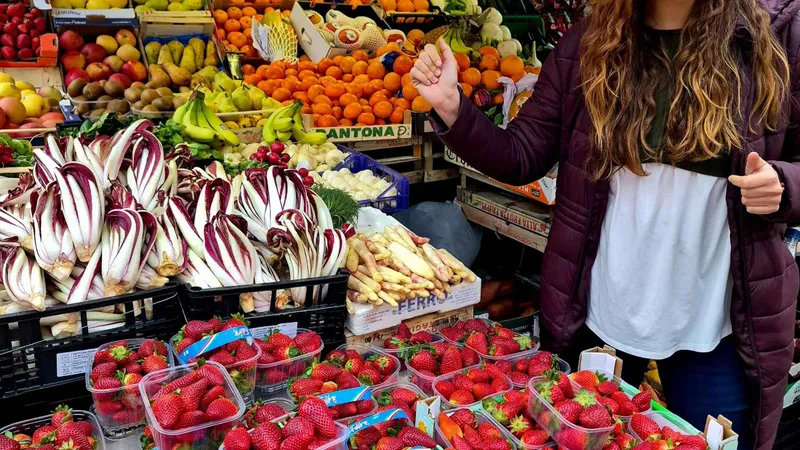
The catalogue's two food formats cover both halves of the day: the three-hour Market to Osteria Food Tour starts at the market counters and ends seated, and the 1.5-hour Guided Spritz Walk works the evening circuit only. Ratings and live prices sit on each tour card.
 from $68.05
Padova Market to Osteria Food Tour: 10+ tasters & Wine
Dinner-replacement crawl with a spritz finish
Check Availability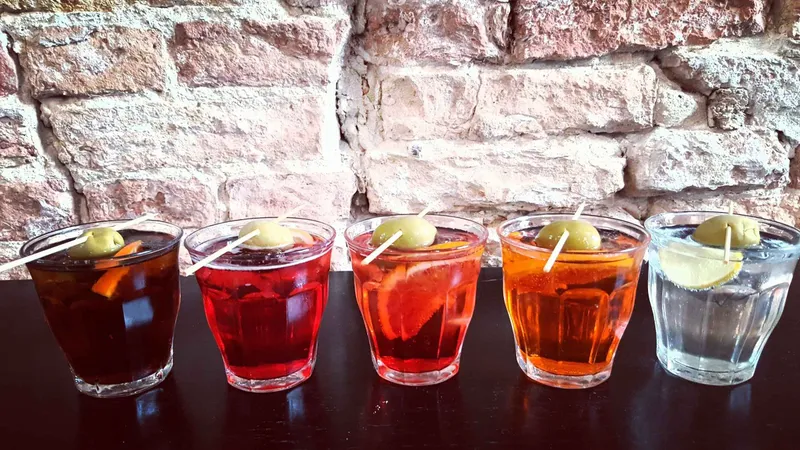 from $124.14
Padova: Guided Spritz Walk
Aperitivo hour, guided: two versions of the drink and its history
Check AvailabilityPrices, ratings and details are the platform's own, checked in Q3 2026; dollar figures are the listed prices — the platform bills in your account's currency.
Frequently asked questions about cichetti and bacari
What exactly are cichetti?
Small plates, priced by the piece (€1.50-4.00), eaten standing at a bacaro counter: baccalà mantecato, polpette, sarde in saor, folpetti, fried seasonal plates. The spelling varies — Venetian cicchetti, Paduan cichetti — the ritual is the same.
How much does an evening of cichetti cost?
A two-bacaro crawl with five plates and three glasses runs €15.00-25.00 a head, standing. The budget table above scales the evening from €10.00 to €35.00-plus depending on appetite.
Do bacari take reservations?
Almost never — counters are walk-up by design. Arrive before 19:30 for the fullest display and the shortest waits at the warm-plate station; after 20:00 the popular boards thin out.
What is an ombra?
A small glass of wine — the word means shadow, a relic of the wine sellers who followed the Campanile's shade across San Marco in Venice. It is the standard small pour beside cichetti, €2.00-4.00 at the counter.
Which spritz should I order?
Aperol for the standard orange build, Campari for something drier and deeper, Cynar for the brown artichoke bitter that older Paduans defend. All three arrive over ice with orange, at the low end of the evening budget.
Can vegetarians work a bacaro counter?
Yes, within limits: giardiniera, fried vegetables, cheese crostini and egg plates are always there, but fish and meat dominate the display. Tell a guided operator at booking so the stops can be briefed — see food tours.
Is cichetti the same as Venice's cicchetti?
Same tradition, different economics. The institution is Venetian; Padua charges counter prices without the canal-side premium and draws a crowd that lives here. The two cities are compared in padua or venice.
Where the crawl fits in a trip
Four pages connect the strip to the rest of the plan:
Where to Eat in Padua
The zone-by-zone dining plan, budgets and the Paduan eating clock.
Piazza delle Erbe
The market square that anchors the bacari strip.
Food Tours
Guided market-to-osteria and spritz formats with prices compared.
Traditional Paduan Food
The dish dictionary behind the counter's small plates.
Reviewed Q3 2026 (July–September 2026); next review Q4 2026. Prices, hours and terms are set by the venue or operator and confirmed at checkout.
We may earn a commission if you book through one of our links, at no extra cost to you. Full affiliate disclosure