 Padua City Guide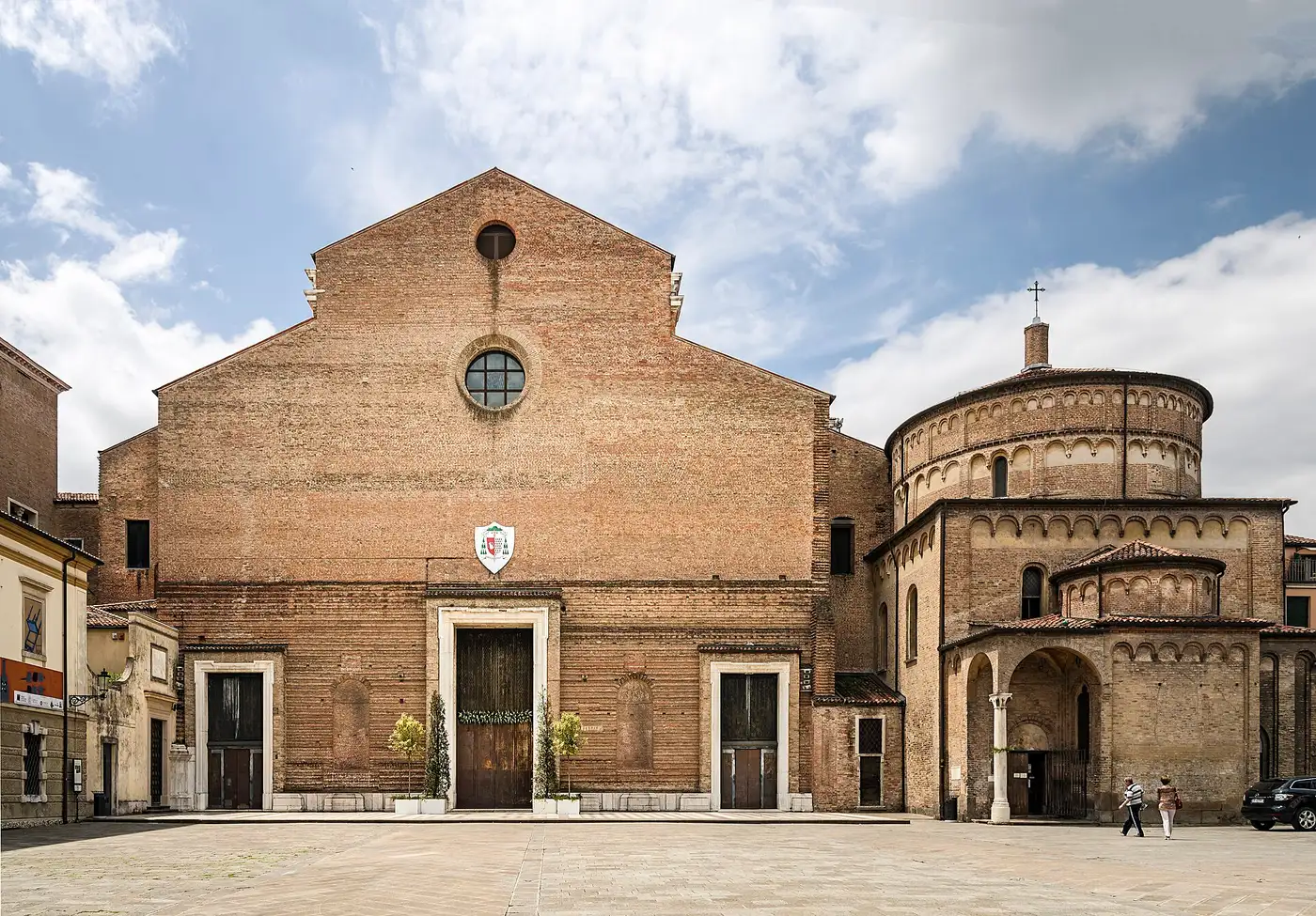
Padua accessibility is better than the medieval setting advertises and worse than the flat map promises, and this guide splits the difference honestly: the historic centre is genuinely flat and threaded with smooth portico routes, the two headline sights — the chapel and the basilica — both run real access provisions, and the buses are low-floor throughout. The friction is at ground level: cobbles, portico thresholds and a handful of elevated interiors that predate the concept of a ramp. What follows is the practical version — which entrances are step-free, what the chapel's accessible entry route involves and how to book it, where the basilica's ramps and accessible entrance sit, how the buses and badge-holder parking work, and where the accessible facilities are — conservative where the facts are conservative. Checked on 12 September 2026. The full planning directory sits on the Padua City Guide homepage.
Quick answer The flat-core promise, the two good headlines, and the honest friction
Checked on 12 September 2026: the core is flat and the porticoes give smooth lines between the sights, but cobbles and thresholds are the daily friction. The chapel runs an accessible entry route through its airlock — flag it when booking, as the accessible slot is its own arrangement. The Basilica of Saint Anthony has ramps and an accessible entrance; the botanical garden is mostly step-free; the Salone's elevated hall is not straightforwardly step-free. Buses are low-floor; badge-holder parking follows municipal rules worth confirming ahead. The matrix below goes sight by sight, and the street-level detail continues in the getting around guide.
Key takeaways
- Flat core, smooth porticoes — with cobbles and thresholds as the honest friction.
- Chapel: accessible entry route through the airlock; flag it when booking the slot.
- Basilica: ramps and an accessible entrance; the garden is mostly step-free.
- Buses are low-floor; the taxi fallback is inexpensive for the cross-city hops.
- Confirm badge-holder parking rules with the hotel or the municipality before driving.
The lay of the land: flat core, porticoes, and the cobble reality
Padua's first accessibility fact is its geometry: the historic centre is flat — no hill, no bridge climbs, nothing between the station and the southern ellipse that rises — and the distances are short, with the piazze to Prato della Valle about ten minutes and the station fifteen. The second fact is the surface. Cobbles and stone flags give the centre its character and its friction in equal measure; powered chairs manage them without trouble, manual chairs work harder, and the porticoes — the arcaded walkways that line the main streets — are the smooth lanes that make the flatness usable. Learn the porticoes and the city opens: the arcaded axis from the station side towards the piazze, and the covered lines around the squares themselves, keep the wheels on flags rather than cobbles for most of the run.
The honest obstacles are the thresholds — the raised sills at portico junctions and shop lines — and the rain, which turns some flag lines slick. Prato della Valle, the largest open space, is flat and firm along its ring; the canal island's grass is the softer surface. The getting around guide carries the distances; the neighbourhoods guide maps which quarters hold the smoothest lines.
- Flat throughout: station to ellipse, nothing rises.
- Porticoes are the smooth lanes; learn them and the centre opens.
- Cobbles and thresholds are the friction; powered chairs manage best.
- The ellipse ring is firm and level; the island's grass is softer.
The smooth routes of the centre
Four lines cover most of what a visitor needs, and each keeps the wheels on flags or firm paving for the length of the run.
| Route | Surface | Runs between |
|---|---|---|
| The station axis | Porticoed flags, level | Padova Centrale towards the piazze, about 15 minutes |
| The arcade ring around the market squares | Continuous arcades, a few thresholds | The herb square, the loggias and the cafe quarter |
| The ellipse ring | Firm, level gravel-and-stone | The full circuit of Prato della Valle and its bridges |
| The cathedral lines | Smooth flags west of the core | The piazze to the Duomo and Baptistery square |
The chapel, the basilica and the museums
The two headline sights both take access seriously, in different ways. The chapel's entry runs through a climate airlock, and the site operates an accessible entry route for visitors who cannot use the standard arrangement — the honest instruction is to flag it when booking, because the accessible slot is its own booking line and the fifteen-minute format still applies. Book through the official channels listed on Scrovegni Chapel tickets and state the requirement at the point of booking rather than on arrival; the Eremitani museums complex that hosts the entrance has level access at the ticket level.
The Basilica of Saint Anthony has ramps and an accessible entrance, and the pilgrim-flow layout — wide aisles, a level floor through the nave — makes the interior straightforward; the information point by the entrance handles the specifics, and the museum floor above should be confirmed separately. The botanical garden is mostly step-free, its modern visitor building and greenhouses built to current standards, though some historic paths are gravel. The Salone's elevated hall is the clearest exception — not straightforwardly step-free — and Palazzo Bo's guided tour route runs through a sixteenth-century building where step-free access needs confirming with the university in advance. For every museum, the practical habit is the same: name the requirement when booking, and the site answers for its own building.
The booking habit that makes it work
One sentence at the point of booking solves most of this page in advance. The table shows where to say it, and what to say.
| Booking | How | What to say |
|---|---|---|
| Chapel slot | Official booking channels, ahead of the visit | 'Accessible entry route' — flag it when booking |
| Palazzo Bo tour | University booking channels, weekdays | State the requirement; the route is confirmed per tour |
| Garden and greenhouses | Ticket desk or official portal | Mostly step-free; ask about the gravel paths |
| Basilica | No booking needed | Ramps and accessible entrance; information point at the door |
Buses, parking and the street kit
The transport layer is friendlier than the streets: the urban buses are low-floor with ramp deployments and middle-door spaces for wheelchairs and pushchairs, the ticket rules are in the getting around guide, and the coach from the airport arrives at the Autostazione beside the station — itself a level, single-storey building whose platforms put every urban line within a flat roll of the arrival bay. Taxis fill the gaps cheaply — a cross-city hop costs a few euros — and hotels call radio cabs without ceremony.
Badge-holder parking follows the municipal rules for the historic centre's restricted zone: the honest move is to confirm arrangements with the hotel or the municipality before driving, because enforcement is camera-based and the perimeter garages are the default for everyone else. On the street kit: the fountains across the centre dispense drinkable tap water, the porticoes give shade in summer and cover in rain, and the smoothest long line in the city is the ring around Prato della Valle — which is also where the evening passeggiata, the city's most inclusive institution, happens every night.
- Buses: low-floor, ramp, middle-door space — validate the ordinary ticket on boarding.
- Taxis: a few euros cross-city; hotels call radio cabs.
- Badge-holder parking: confirm with the hotel or the municipality before driving.
- Street kit: a bottle for the fountains, and the portico lines in mind.
The access matrix, sight by sight
The provisions below follow the operators' own published information, checked on 12 September 2026, with conservative wording wherever the site itself is conservative — 'enquire' means the provision exists case by case rather than as a standing guarantee.
| Site | Step-free entry? | Accessible WC? | Notes |
|---|---|---|---|
| Scrovegni Chapel | Yes — accessible entry route, booked | Via the Eremitani museums complex | Flag the requirement when booking the timed slot |
| Basilica of Saint Anthony | Yes — ramps and an accessible entrance | Ask at the information point | Level, wide nave; the museum floor is confirmed separately |
| Palazzo della Ragione (Salone) | Not as standard — elevated hall | Enquire with the museum | Confirm arrangements ahead of the visit |
| Orto Botanico | Mostly step-free | At the visitor building | Historic paths can be gravel |
| Palazzo Bo (guided tour) | Confirm in advance | Enquire | Historic building; the tour route varies |
Frequently asked questions about access in practice
Is the historic centre wheelchair-friendly?
Partly, and the split is worth knowing: it is flat everywhere and smooth along the portico lines, but cobbles and thresholds add friction between them. Powered chairs manage the whole core comfortably; manual chairs work harder on the cobbled stretches. The portico strategy above is the practical answer.
How does the chapel's accessible entry work?
The chapel runs an accessible entry route through its climate airlock, arranged as its own booking — flag the requirement when you reserve the timed slot, through the official channels on Scrovegni Chapel tickets, rather than expecting to arrange it at the door.
Can you enter the basilica without steps?
Yes. The Basilica of Saint Anthony has ramps and an accessible entrance, and the nave is level and wide. The information point at the entrance handles the specifics, and the museum floor is best confirmed separately.
Are the buses usable with a wheelchair?
Yes — the urban fleet is low-floor, with ramp deployment and middle-door space, and the fare is the ordinary single of about €1.30-1.50 bought before boarding. Drivers deploy the ramp at the middle doors on request; the ticket rules are in the getting around guide, and the taxi fallback for the same run costs a few euros.
What about parking with a disability badge?
The centre's restricted zone has provisions for badge holders, but the rules are municipal and enforced by camera — confirm the arrangements with your hotel or the municipality before driving rather than trusting a general map. Perimeter garages remain the default for other drivers.
Which sights are the most step-free?
The botanical garden — mostly step-free with its modern visitor building — and the basilica with its ramps lead; the chapel's accessible route works well once booked. The Salone's elevated hall is the clearest exception, and Palazzo Bo's historic route needs confirming per tour.
The guides that finish the access picture
Four pages carry the street-level detail, plus the planning directory:
Getting around
Low-floor buses, taxi ranks and the walking distances behind the flat-core plan.
Scrovegni Chapel tickets
The booking channels where the accessible slot is requested.
Basilica of Saint Anthony
Ramps, the accessible entrance and the visiting rhythm of the basilica.
Where to stay
Base areas compared, including which rooms lift the friction.
Plan hub
Every itinerary and logistics guide in one directory.
The cathedral square — level, quiet and reached on the smooth flag lines west of the piazze, the kind of route the portico strategy rides.
Reviewed Q3 2026 (July–September 2026); next review Q4 2026. Prices, hours and terms are set by the venue or operator and confirmed at checkout.
We may earn a commission if you book through one of our links, at no extra cost to you. Full affiliate disclosure