 Padua City Guide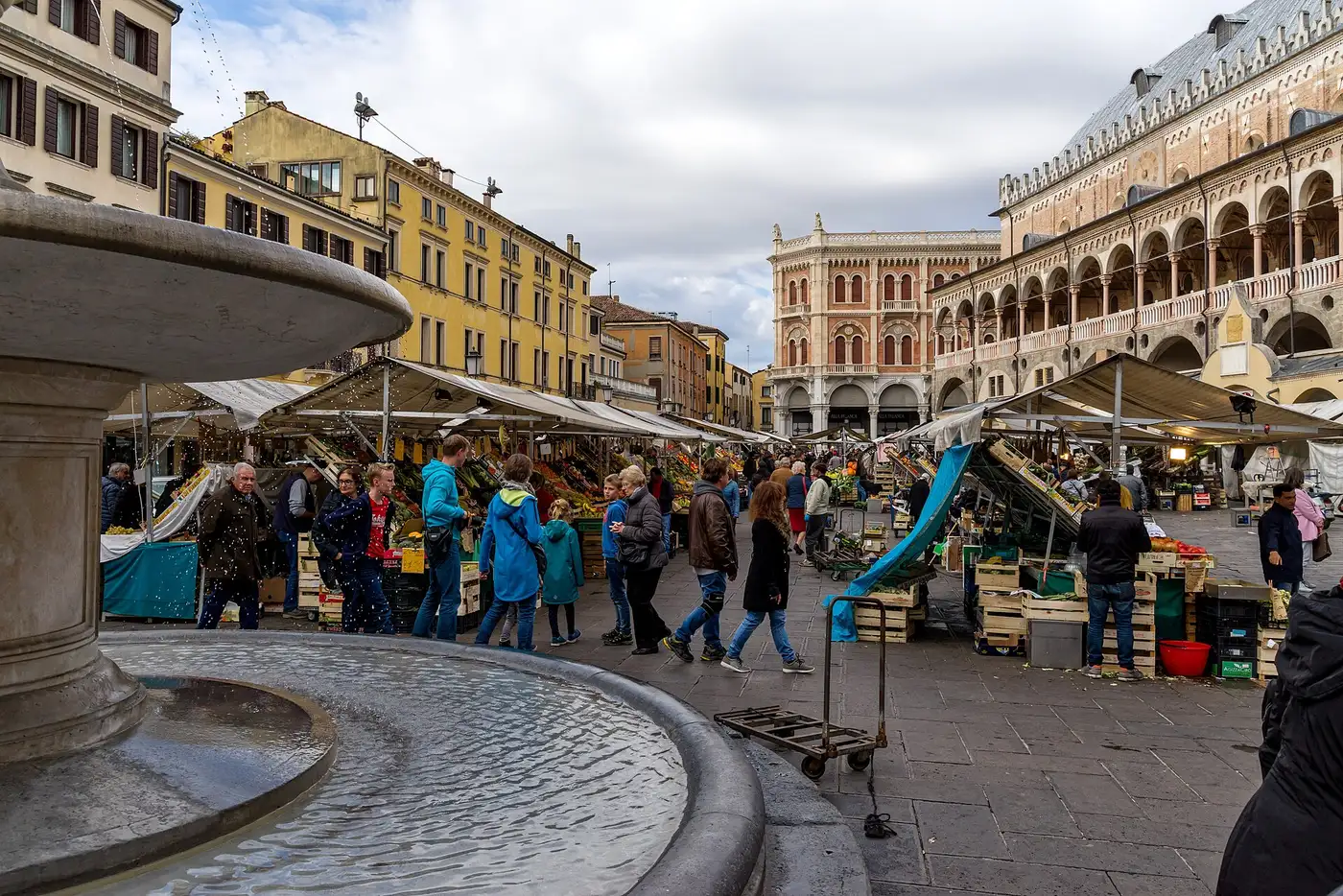
The square most searches file as piazza delle erbe padua has traded without interruption since 1219, first in the open air and, since the fifteenth century, under the long double arcades built against the walls of the palace above it. That palace is the reason to look up: Palazzo della Ragione — the city's medieval court and its law hall, completed in 1219 — contains il Salone, a single frescoed chamber about 81 metres long and 27 metres wide whose zodiac cycle of several hundred panels was painted by Giotto's school, lost in the 1420 fire, and repainted within a generation by Nicola Miretto and Stefano da Ferrara. The market still runs Monday to Saturday from about 7:30 to 13:00 — the original padua market rhythm — with the fruit stalls of Piazza delle Frutti next door and the bacari opening as the stalls pack up. This page covers the market's hours and logistics, the Salone's frescoes and curiosities, and the practical details: tickets at the IAT desk at number 52, the Volto della Corda, and the stone of shame inside the hall. The clock tower of Piazza dei Signori stands at the next corner and Caffè Pedrocchi closes the block; everything else is on the Padua City Guide homepage.
Quick answer Market hours, the Salone ticket, the IAT desk and the stone of shame
Checked on 12 September 2026: the market runs Monday-Saturday from about 7:30 to 13:00 under the fifteenth-century arcades, with Piazza delle Frutti's produce stalls next door — the square itself is free and always open. Palazzo della Ragione (il Salone) is open Tuesday-Sunday 9:00-19:00, last entry 18:20, closed on non-holiday Mondays; tickets are €8.00 full, €6.00 reduced, €3.00 young students, sold at the IAT desk at Piazza delle Erbe 52. Inside: a zodiac cycle of several hundred panels painted after the 1420 fire by Nicola Miretto and Stefano da Ferrara, a great wooden horse of 1466 modelled on Donatello's Gattamelata, and the pietra del vituperio, the stone of shame. Combine with Piazza dei Signori and an evening in the cichetti and bacari lanes — or let a guided walk string it together.
Key takeaways
- Market: Mon-Sat, about 7:30-13:00, under the arcades and across Piazza delle Frutti.
- Salone hours: Tue-Sun 9:00-19:00, last entry 18:20; closed on non-holiday Mondays.
- Salone tickets: €8.00 full / €6.00 reduced / €3.00 young students — also at the IAT desk, number 52.
- The fresco cycle is the post-1420 rebuilding by Miretto and Stefano da Ferrara — Giotto's original burned.
- Free always: the squares, the arcades and the evening bacari ritual around them.
Key facts
Opening hours
| Street market (Mon-Sat) | 07:30–13:00 |
|---|---|
| Palazzo della Ragione (Tue-Sun) | 09:00–19:00 |
Closed Palazzo della Ragione closed on non-holiday Mondays (last entry 18:20); the street market does not run on Sundays; the squares themselves are always open
Admission
- Adult
- Palazzo della Ragione €8.00 full
- Reduced
- €6.00 reduced; €3.00 young students
- Free
- Square, arcades and market free; Ragione concessions per Padova Musei rules
Planning it
- Time needed
- 30-45 minutes for the market squares; 30-40 minutes for the Salone
- Address
- Piazza delle Erbe, 35121 Padova (IAT tourist desk at number 52 sells museum tickets)
A market square since 1219
The two squares flanking the great hall — herbs and greens on one side, fruit on the other — have been the city's provisioning point for eight centuries. A market has run here since 1219, the year the palace of justice above was completed, and the fifteenth-century arcades formalised what had been an open-air trade: long vaulted passages where the stalls moved off the wet ground and under cover, and where the market still gathers on weekday mornings today. The rhythm is fixed and worth planning around: stalls trade from roughly 7:30 to 13:00, Monday to Saturday, with the vegetable and fruit pitches spreading across both squares and into the lanes; by early afternoon the pavements are hosed and quiet, and from late afternoon the arcades belong to the aperitivo crowd.
Two details tie the square to its medieval justice system. At the corner of the palace, the Volto della Corda — the arch of the rope — is the vaulted passage through which insolvent debtors were once marched to face their creditors, its name recalling the rope they were bound with. And the market's law enforcement extended to shame: the pietra del vituperio, the stone of shame, still sits inside the hall above, where bankrupts were made to sit three times in public humiliation. The stalls themselves sell the standard Veneto morning range — vegetables, fruit, flowers, cheese and cured meats, household goods spilling into the side lanes — and the permanent food shops ringing Piazza delle Frutti keep trading all day when the stalls have gone.
- 1219: the market's documented beginnings, the same year the palace above was completed.
- 15th century: the arcades are built against the palace walls — the market moves under cover.
- Volto della Corda: the passage arch linked to debtors marched to justice.
- Pietra del vituperio: the stone of shame inside the hall, seat of public humiliation for bankrupts.
- Today: market Mon-Sat 7:30-13:00; Piazza delle Frutti's food shops trade all day.
Palazzo della Ragione: the great hall over the market
The building Paduans call il Ragione or il Salone was raised as the seat of the city's courts and assemblies, complete in 1219 after roughly half a century of work — and immediately enormous. The great hall on the upper floor runs about 81.5 metres long and 27 metres wide under a roof rising 24 metres, which places it among the largest unsupported medieval halls in Europe. Its profile is the work of the friar Giovanni degli Eremitani, who in 1306 replaced the original three roofs with a single spanning roof shaped like an inverted ship's hull — the form that gives the palace its distinctive keel silhouette from the squares below.
The frescoes are the reason to pay the €8.00. Giotto, at work in the city for the chapel commission on the northern edge, is credited with an original astrological cycle here; it burned with the roof fire of 1420, and between 1425 and 1440 Nicola Miretto and Stefano da Ferrara repainted the walls with the cycle you see today — several hundred scenes arranged in concentric bands that together function as a gigantic astrological almanac, month by month, sign by sign, with the labours and pleasures of each season. Three hundred-odd panels of calendars and zodiac make it one of the largest surviving fresco programmes of its kind anywhere. Two curiosities anchor the visit: the great wooden horse built in 1466 and modelled on Donatello's Gattamelata then standing outside the basilica, and the stone of shame by the entrance steps. The hall is one open room — fifteen minutes reads it, forty enjoys it.
The Salone at a glance
Everything below is inside a single ticket and a single room — the sequence works in any order, but the fresco bands reward starting at the entrance end and reading month by month.
| Feature | What you see |
|---|---|
| The hall itself | About 81.5 × 27 m and 24 m high — one of Europe's largest unsupported medieval halls |
| The zodiac cycle | Several hundred scenes in concentric bands, painted 1425-1440 by Nicola Miretto and Stefano da Ferrara after Giotto's cycle burned in 1420 |
| The wooden horse | Built 1466, modelled on Donatello's Gattamelata equestrian bronze |
| Pietra del vituperio | The black stone of shame where bankrupts sat in public humiliation |
| The roof | Fra Giovanni's 1306 single-span hull-shaped roof, visible as the room's ceiling |
Prices and hours for the Salone follow Padova Musei (padovamusei.it) and the city tourism board (turismopadova.it), checked on 12 September 2026. The squares and the market are free; the only ticket in sight is the great hall's, and the tour rows are optional guided walks from our catalogue.
Walk the market free of charge, then pay the €8.00 for the Salone unless you are pressed for time — the fresco cycle is unique in Europe.
| Option | What it covers | Price | Booking | Book |
|---|---|---|---|---|
| Palazzo della Ragione (il Salone)Everyone | The great frescoed hall: zodiac cycle, wooden horse, stone of shame | €8.00 full / €6.00 reduced / €3.00 young students | Padova Musei | Official site |
| IAT desk, Piazza delle Erbe 52Ticket collectors | In-person sales point for the Ragione and other city museum tickets | Same tariffs as the official channel | City tourism board | Official site |
| Small-group walking tour of the market squaresFirst-time visitors | See tour card for departures | See tour card | Check Availability | Check Availability |
| Golf cart tour passing the market squaresGround to cover, limited time | See tour card | See tour card | Check Availability | Check Availability |
The market morning, planned hour by hour
The rhythm below combines the posted market hours (Mon-Sat, about 7:30-13:00) with the Salone's opening times and the squares' after-hours habits, checked on 12 September 2026. Use it to decide what your morning is for.
| Where | Days and hours | What's sold or on | Best arrival |
|---|---|---|---|
| Piazza delle Erbe arcades | Mon-Sat, about 7:30-13:00 | Vegetables, fruit, flowers, cheese and cured meats at the stall pitches | 8:30-10:00 for the full stall range |
| Piazza delle Frutti | Mon-Sat mornings; food shops all day | Produce stalls plus the permanent grocers, bakers and pasta shops ringing the square | Early, before the lanes fill |
| Palazzo della Ragione (il Salone) | Tue-Sun 9:00-19:00, last entry 18:20; closed non-holiday Mondays | The frescoed astrological cycle, the 1466 wooden horse, the stone of shame | Midweek mid-morning, before coach groups |
| The squares after 13:00 | Daily | Cafe tables and bacari reclaim the arcades; the evening cicchetto circuit takes over | From about 18:30 |
The weekday market under the fifteenth-century arcades, with the palace of justice's keel-shaped roof above.
The market squares on the map
The two squares wrap the great hall between them, with the ticket desk, the rope arch and the neighbouring sights all within three minutes' walk. Pins cover the whole morning.
Guided tours that include the market squares
The market explains itself, but the hall above it — an astrological almanac in fresco — does not. These catalogue departures add the reading.
 from $69.61
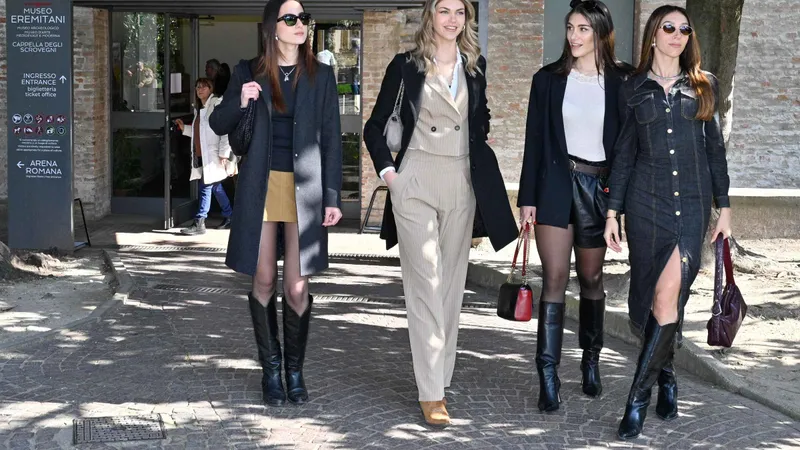
Padua: Small-group walking tour with the Scrovegni Chapel
Best value: the slot and the fresco context in one booking
Check Availability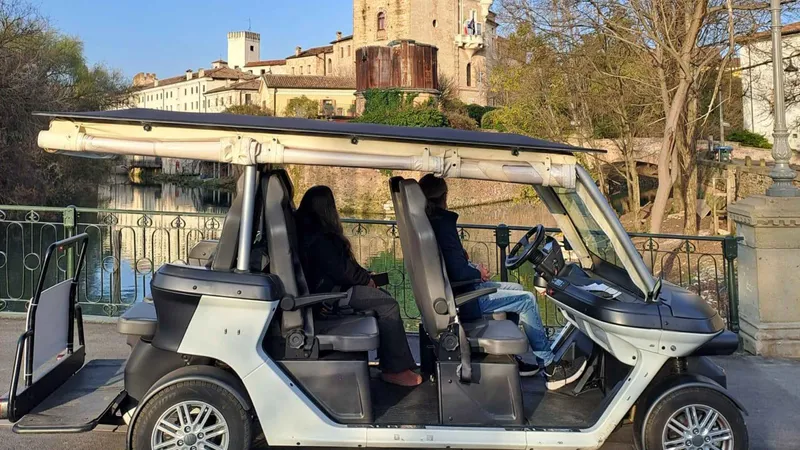 from $61.49
Prices, ratings and details are the platform's own, checked in Q3 2026; dollar figures are the listed prices — the platform bills in your account's currency.
Frequently asked questions about Piazza delle Erbe
When is the market open?
Monday to Saturday, from about 7:30 to 13:00, with stalls under the arcades of Piazza delle Erbe and across Piazza delle Frutti. The permanent food shops around the fruit square keep trading through the afternoon after the stalls pack up.
Is the market open on Sundays?
The weekday stall market does not run on Sundays — the squares stay open and the shops have their own hours, and the city sometimes adds special or seasonal markets, so check the tourism board's calendar if a Sunday visit is your only option.
How much is the Salone and when is it open?
Palazzo della Ragione costs €8.00 full, €6.00 reduced and €3.00 for young students, open Tuesday-Sunday 9:00-19:00 with last entry at 18:20. It closes on non-holiday Mondays. Tickets are sold at the IAT desk at Piazza delle Erbe 52 at the foot of the palace.
What is the Volto della Corda?
The arched passage at the palace's corner whose name — the arch of the rope — recalls the debtors once marched through it to answer for insolvency. It is free to walk through at any hour and takes thirty seconds; the context is what makes it worth the detour.
What is the pietra del vituperio?
The stone of shame, kept inside the great hall: the seat on which bankrupts were placed three times in public humiliation under the medieval justice system. It sits near the entrance steps, easy to miss without knowing what it is.
Why does the Salone contain a wooden horse?
The large wooden horse was built in 1466 and modelled on Donatello's Gattamelata, the equestrian bronze that had just been set up outside the basilica in the city's south. It has stood in the hall ever since, one of several reasons the room feels more like a civic curiosity cabinet than a court.
How do I pair the market with the rest of the centre?
The market squares form one block with the clock-tower square next door and the cathedral quarter behind it; a morning market circuit plus the Salone takes about two hours, then the historic cafe at the block's southern end makes the natural lunch stop before the university quarter — see university of Padua for the afternoon.
What to visit near Piazza delle Erbe
The market squares sit in the densest sightseeing block of the old town — all of this within five minutes:
Piazza dei Signori
The clock tower and loggia square starting at the hall's western corner.
Caffè Pedrocchi
The 1831 historic cafe with free historic rooms, two minutes south.
Duomo and Baptistery
The cathedral square and Menabuoi's frescoed Paradise, three minutes west.
University of Padua
Palazzo Bo and the anatomical theatre, five minutes on foot.
Cichetti and bacari
The evening standing-counter ritual that takes over these arcades after 18:00.
Reviewed Q3 2026 (July–September 2026); next review Q4 2026. Prices, hours and terms are set by the venue or operator and confirmed at checkout.
We may earn a commission if you book through one of our links, at no extra cost to you. Full affiliate disclosure